The nGEL project successfully completed its General Assembly on June 2-3, 2026, at Hyatt Regency Manchester in the UK. One of the key consortium partners, Technovative Solutions Limited (TVS), hosted this edition of the project’s General Assembly. Representatives from each of the partners attended the meeting to discuss updates and future plans of the project. We have interviewed Dr Mahfuza Ahmed, Collaborative Research Leader of the host organisation, about the assembly.
Could you please provide a brief summary of the key topics that were presented by the consortium partners?
Dr Ahmed: The in-person General Assembly (GA) meeting of the Next Generation Flexible Trigeneration Geothermal ORC Plant (nGEL) project was held on 2–3 June 2026 in Manchester, UK, hosted by Technovative Solutions. The two-day meeting was chaired by Dr Shahin Jamali, the project coordinator from Fraunhofer, and was attended by all consortium partners. Representatives from Technovative Solutions Ltd, including Dr Tamanna Khan, Dr Mahfuza Ahmed, and Dr Hye Chowdhury, actively participated in the discussions and technical sessions.
The first day of the General Assembly focused on comprehensive progress updates from each Work Package (WP) leader. The partners presented their recent achievements, technical developments, challenges encountered, lessons learned, and planned activities for the upcoming project period. The presentations provided a valuable opportunity to review the project's overall progress and ensure alignment among the various technical components.
A key discussion point during the meeting was refining and aligning the demonstration strategy for the nGEL project innovations. Particular attention was given to the flexible trigeneration concept, which integrates power, heating, and cooling production, and will be demonstrated through the RePG plant integrated with the Kizildere-2 geothermal power plant. The consortium discussed the practical aspects of system integration, operational flexibility, and validation requirements to ensure that the proposed solutions can be effectively demonstrated under real operating conditions.
The meeting also highlighted the importance of strong collaboration between the different technical Work Packages, including the control system, Energy Management System (EMS), Cold Thermal Energy Storage (CTES), Digital Twin, Organic Rankine Cycle (ORC) design, and overall system integration activities. Cross-work package coordination discussions helped clarify technical interfaces, identify potential risks, and establish a common approach towards achieving the project objectives.
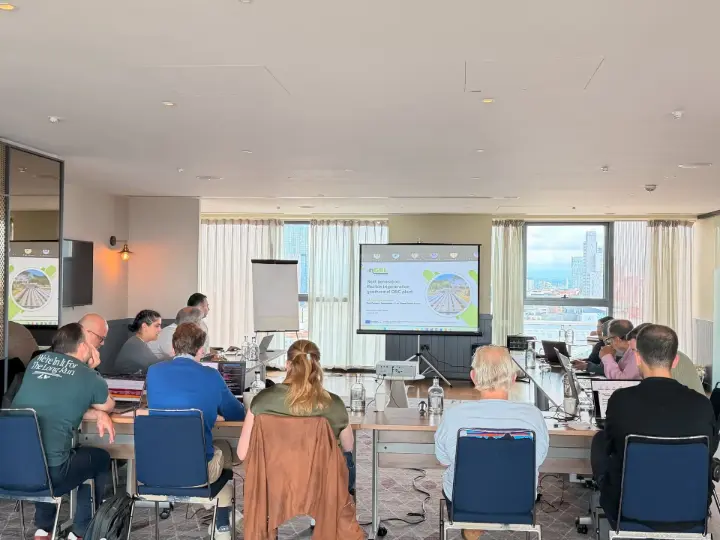
In the afternoon, a dedicated workshop was organised on Exploitable Results, Intellectual Property Rights (IPR), Dissemination, and SSH aspects.
The second day was mainly dedicated to a focused internal workshop on WP5 activities and a hybrid live workshop organised as part of the European Sustainable Energy Week (EUSEW) 2026. A detailed discussion was also held regarding WP4 demonstration and validation activities. The consortium partners reviewed the planned demonstration approach to ensure smooth implementation, reliable performance assessment, and effective validation of the nGEL concepts. The discussions emphasised the importance of integrating technical readiness with real-world operational requirements to maximise the impact of the project outcomes.
The two-day General Assembly served as an important milestone for strengthening collaboration among partners, reviewing technical progress, addressing implementation challenges, and ensuring that all Work Packages remain aligned towards the successful demonstration of the nGEL flexible trigeneration geothermal ORC concept.
The meeting concluded with closing remarks and acknowledgements from the project coordinator, Dr Shahin Jamali from Fraunhofer.
Please shed some light on the three workshops that were conducted during the GA.
Dr Ahmed: The three workshops conducted during the General Assembly (GA) were highly valuable and productive, providing dedicated opportunities for the relevant project partners to exchange ideas, align activities, address challenges, and strengthen collaboration across different Work Packages. The focused discussions helped ensure that the technical, dissemination, and exploitation activities remained well coordinated and aligned with the overall objectives of the nGEL project.
The first workshop focused on ‘Exploitable Results and Intellectual Property Rights (IPR)’ and provided an important opportunity for partners to review the innovations generated within the project and discuss their potential pathways towards real-world application. The session focused on identifying key exploitable outcomes, assessing their maturity levels, and considering how these outcomes could contribute to future dissemination activities.
The partners discussed potential routes for exploitation, ownership aspects, and the importance of protecting valuable intellectual property developed during the project. The workshop also helped the consortium identify how technical outcomes from different Work Packages could be combined to maximise the impact of the nGEL innovations. A key outcome of this workshop was the recognition that successful exploitation requires early planning and strong coordination between technical partners. By discussing exploitation strategies during the development phase, the consortium can better prepare for future commercialisation, market uptake, and wider deployment of flexible geothermal technologies.
The second workshop focused on ‘Dissemination and Social Sciences and Humanities (SSH)’. This workshop involved partners responsible for communication, dissemination, and stakeholder engagement, including Technovative Solutions Ltd (TVS), Geolorn, and Zorly Energy.
The discussions focused on improving the visibility and impact of the project by developing effective communication strategies and identifying the most appropriate channels to reach different target audiences. The partners reviewed ongoing dissemination activities, future engagement opportunities, and approaches to ensure that the nGEL results are communicated effectively to researchers, industry stakeholders, policymakers, and the wider energy community.
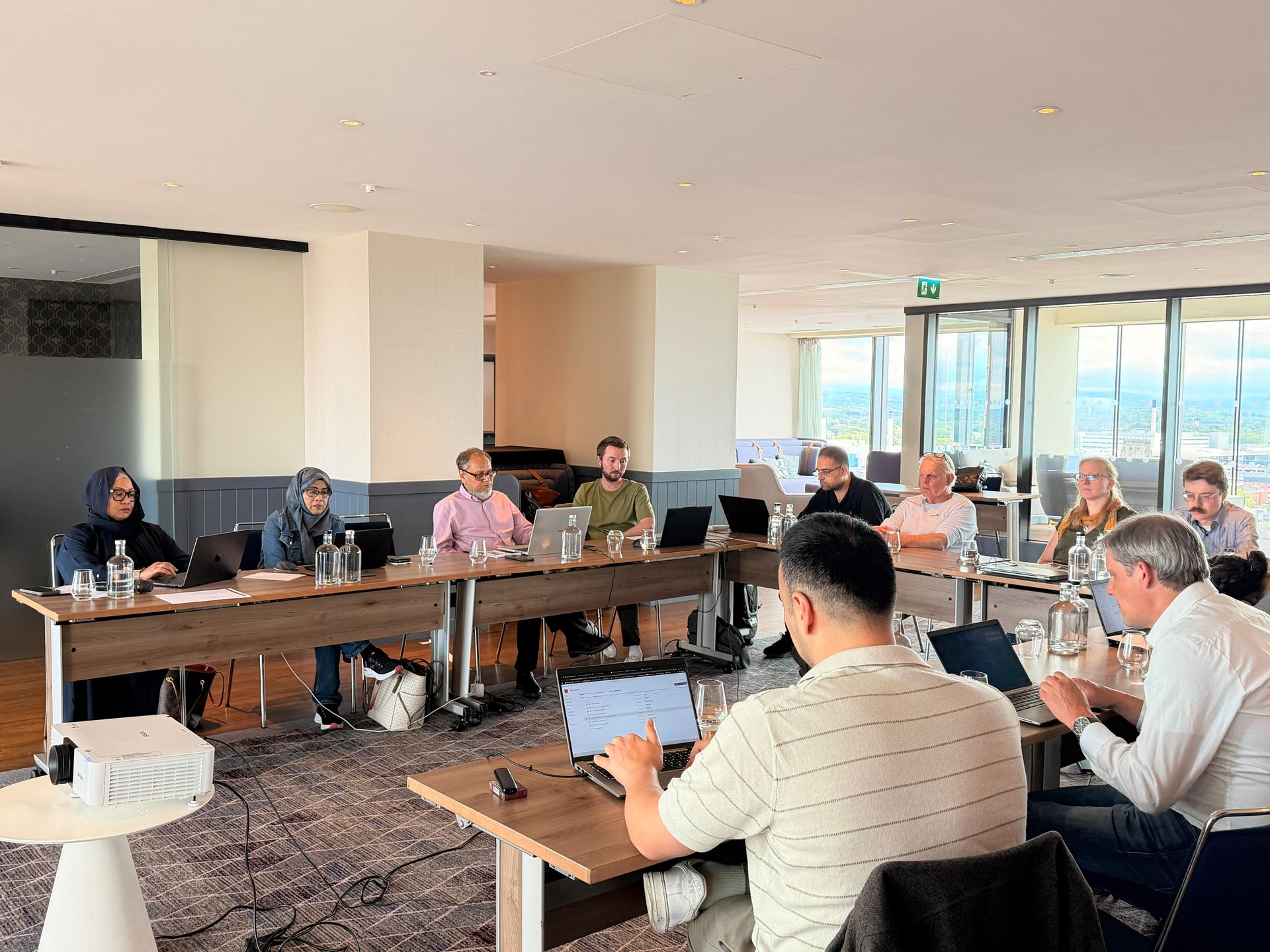
The SSH discussions highlighted that successful implementation of innovative geothermal technologies depends not only on technical performance but also on stakeholder awareness, acceptance, and engagement. The workshop helped the consortium consider the broader societal and environmental impacts of the project and ensured that communication activities support the long-term adoption of geothermal solutions.
The third workshop focused on ‘Digital Twin (DT) Development, Demonstration, and Validation, along with discussions on Thermo-economic optimisation’. This was a highly technical and collaborative session involving TVS, VITO, and Zorlu Energy, working on the digital twin framework, control strategies, and demonstration activities.
The workshop provided an opportunity for partners to discuss the Digital Twin architecture, system integration approach, data requirements, and validation methodology. Particular attention was given to the collaboration between Technovative Solutions Ltd (TVS) and VITO on integrating the Model Predictive Control (MPC) approach into the Digital Twin platform.
An important outcome of this workshop was the alignment of the Digital Twin development pathway, including the approach for virtual and physical demonstration and validation. The relevant partners agreed that the first phase would focus on virtual demonstration and validation by integrating the Digital Twin with the control system. This will allow different operating scenarios to be tested, system performance to be evaluated, and potential improvements to be identified before physical implementation.
The second phase will focus on physical validation using real operational data collected from the demonstration plant through the data capture platform. This approach will improve the accuracy of the Digital Twin model and support real-time monitoring, optimisation, and decision-making for the geothermal trigeneration system.
The outcomes from these workshops strengthened collaboration among partners and provided clear direction for the next stages of the nGEL project.
The hybrid meeting, conducted on the second day, focused on the Sustainable Energy Days Event: “Unlocking Geothermal Energy: Process, Technologies & Opportunities”.
The hybrid EUSEW workshop, organised as part EUSEW, extended the impact of the meeting beyond the consortium by engaging external participants and promoting knowledge exchange on geothermal energy innovation. It created an opportunity to showcase the importance of advanced geothermal technologies, discuss their role in sustainable energy systems, and highlight how projects such as nGEL can support the transition towards cleaner and more flexible energy solutions.
As TVS hosted an EUSEW event titled “Unlocking Geothermal Energy: Process, Technologies & Opportunities”, how was this initiative received by the consortium partners?
Dr Ahmed: The EU Sustainable Energy Week (EUSEW) event titled “Unlocking Geothermal Energy: Process, Technologies & Opportunities”, hosted by Technovative Solutions Ltd. (TVS), was very positively received by the consortium partners. The event was recognised as an excellent opportunity to raise awareness of sustainable geothermal energy technologies, promote knowledge exchange, and highlight the important role of geothermal innovation in supporting Europe’s sustainable energy transition.
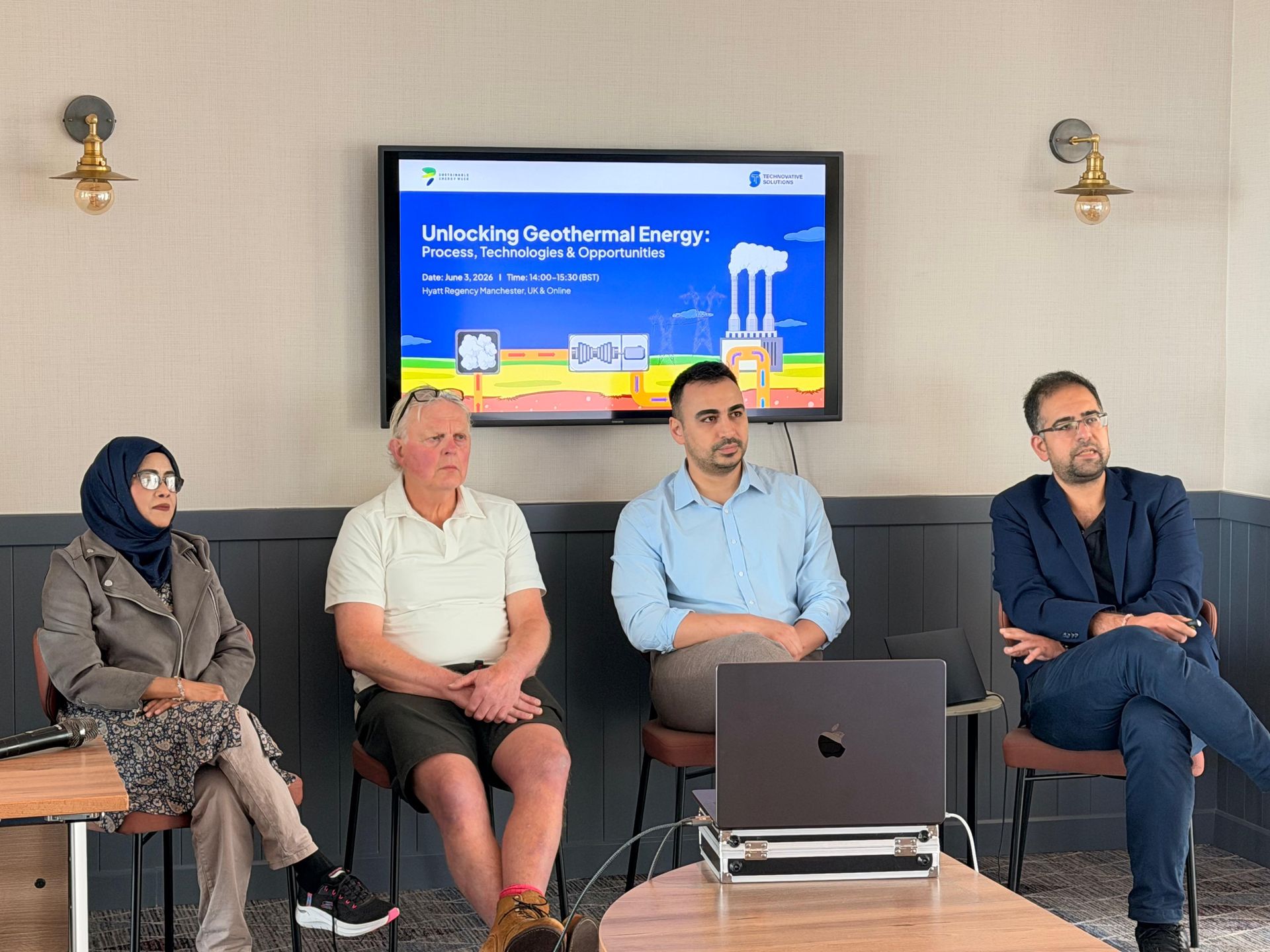
The hybrid event successfully brought together experts, researchers, industry representatives, and project stakeholders through a combination of technical presentations and interactive discussions. The programme was moderated by Dr Shahin Jamali, Head of Monitoring and AI at Fraunhofer IEG. In the opening note, he introduced the EUSEW, the event agenda, the speakers, and the nGEL project to the audience. The speakers panel consisted of Tuğrul Hazar, Assistant Manager at Zorlu Energy Group; Kevin J Mallin, Managing Director at Geolorn Limited; and Dr Mahfuza Ahmed, Collaborative Research Leader at Technovative Solutions Limited. The speakers, coming from the nGEL consortium, covered key topics related to geothermal energy systems, geothermal drilling and development processes, and innovative tools and technologies for geothermal energy harvesting. The sessions provided a comprehensive overview of both the challenges and opportunities associated with advancing sustainable geothermal technologies.
The consortium partners particularly appreciated the efforts of the TVS dissemination team in organising and coordinating the event. The consortium viewed the EUSEW event as a successful dissemination activity that strengthened the visibility of the nGEL project. The effective management of the hybrid format, technical arrangements, speaker coordination, and interactive Q&A sessions contributed to a highly engaging and informative event. The discussions encouraged knowledge sharing among stakeholders and helped connect research activities to practical applications in the geothermal energy sector.
The partners considered the event a valuable contribution to the EUSEW initiative, as it highlighted the potential of geothermal energy as a reliable, low-carbon renewable energy source. The discussions also strongly aligned with the objectives of the nGEL project, particularly by demonstrating how advanced geothermal systems, digital solutions, and innovative technologies can improve efficiency, flexibility, and sustainability in geothermal power generation.
What were the key takeaways from the meeting? Were any important decisions taken?
Dr Ahmed: A physical General Assembly meeting is always a highly productive opportunity for project partners to exchange knowledge, strengthen collaboration, and address technical challenges through direct discussions. The nGEL General Assembly meeting was no exception and proved to be a significant opportunity for reviewing project progress, aligning future activities, and ensuring effective cooperation across the consortium.
One of the key takeaways from the meeting was the strong collaboration among the partners and the improved understanding of interdependencies among different Work Packages. The partners presented their latest developments, shared technical updates, discussed challenges, and identified areas where closer coordination was required to ensure the successful delivery of the project objectives. The discussions helped create a common vision across the consortium and supported better integration of the individual technical activities.
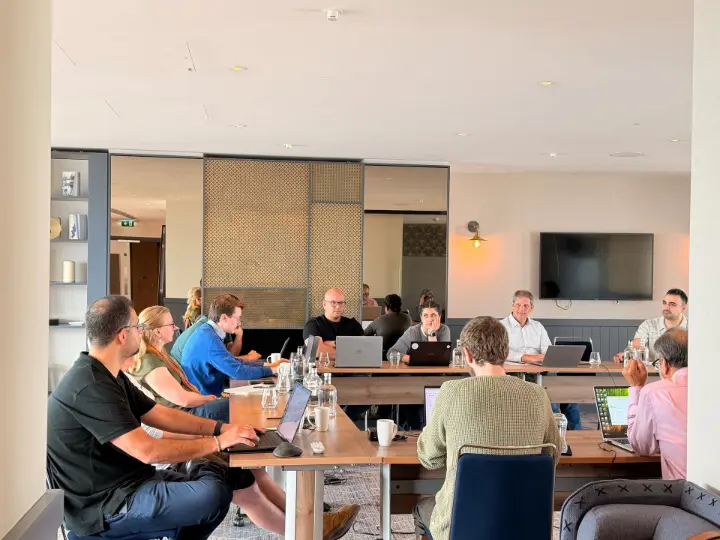
A particularly valuable outcome was the dedicated workshop on Digital Twin (DT) development, involving Technovative Solutions Ltd (TVS) and VITO, which is developing the Model Predictive Smart Control (MPSC) system. This workshop provided an excellent platform for both partners to align their approaches and define the technical pathway for the Digital Twin framework. The discussions covered the overall DT architecture, data requirements, integration of the control strategy, and the approach for virtual and physical demonstrations and validation.
During the workshop, an important decision was taken regarding the validation strategy of the Digital Twin. It was agreed that the initial phase would focus on the development and integration of the Digital Twin platform with the Model Predictive Control system, enabling virtual demonstration and validation of the nGEL system concept through nGEL digital twin. This approach will allow the consortium to test different operating scenarios, optimise system performance, and identify potential issues before validating the digital twin connected to the physical plant, capturing live physical plant data.
It was further agreed that the second phase would focus on physical validation by collecting real-time operational data from the demonstration plant through the data capture platform. This live data integration will enable the Digital Twin to accurately replicate plant behaviour, improve model accuracy, and support real-time monitoring and optimisation of the system.
Another important takeaway from the meeting was the confirmation that successful demonstration of the nGEL concept requires close coordination between several technical components, including the ORC system, Energy Management System, thermal energy storage, control strategies, Digital Twin platform, and overall plant integration. The meeting helped clarify responsibilities, timelines, and technical interfaces between partners.
The GA meeting strengthened the consortium’s collaboration, provided clarity on critical technical activities, and enabled important decisions to be taken regarding demonstration, validation, and integration strategies. The outcomes of the meeting will support the project in progressing towards a successful demonstration of a flexible geothermal trigeneration system with improved efficiency, flexibility, and operational performance.
What are the next steps of the project?
Dr Ahmed: Following the outcomes of the General Assembly meeting, the next steps of the nGEL project will focus on maintaining the momentum of the ongoing Work Package activities, ensuring effective collaboration between consortium partners, and progressing towards the successful demonstration and validation of the project innovations.
A key priority will be to continue the implementation of all Work Packages according to the agreed timelines, while maintaining close communication and coordination between partners. The discussions and decisions taken during the GA meeting will guide the next phase of technical development, particularly in areas where integration between different systems and activities is essential.
The consortium will continue working towards achieving the project objectives and Key Performance Indicators (KPIs), ensuring that the developed technologies meet the expected technical, operational, and sustainability targets. Particular attention will be given to the integration and optimisation of the main nGEL components, including the flexible geothermal ORC system, Energy Management System (EMS), Cold Thermal Energy Storage (CTES), Digital Twin platform, and advanced control strategies.
In parallel, partners will continue dissemination, communication, and exploitation activities to maximise the impact of the project results. Building on the successful EUSEW event hosted by TVS, the consortium will continue engaging with industry stakeholders, researchers, policymakers, and the wider energy community to promote the potential of flexible geothermal technologies.